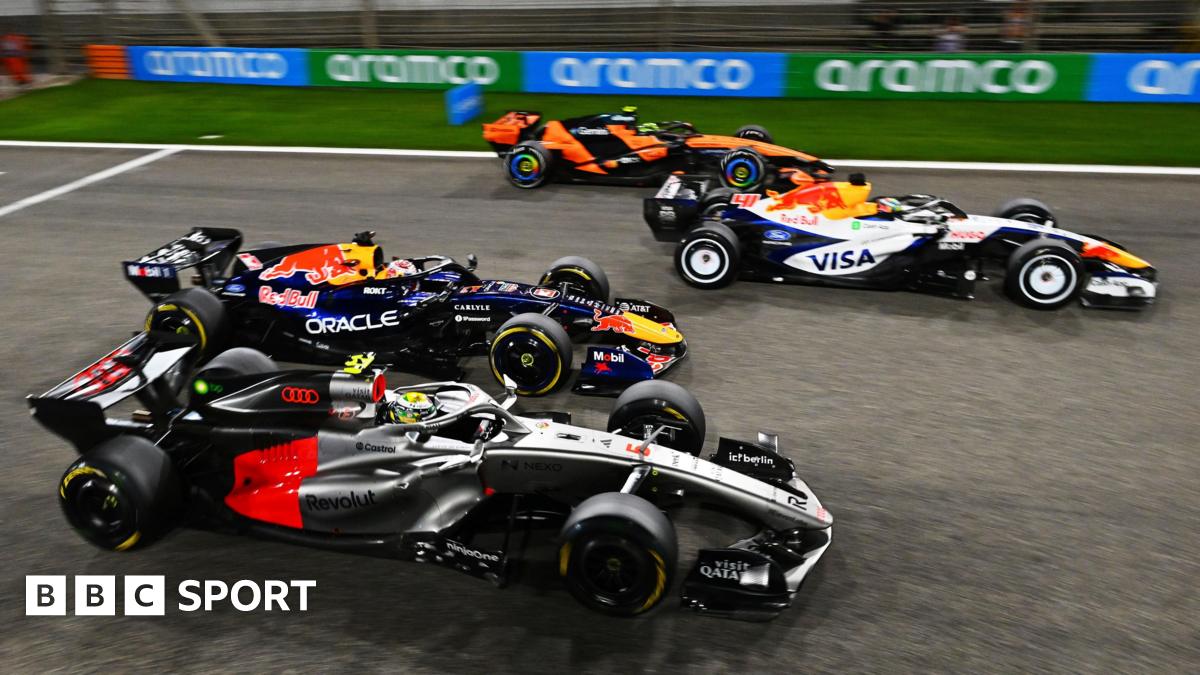
The 2026 Formula 1 season is set to bring the most comprehensive set of rule changes in the sport's history, fundamentally transforming how teams design and operate their cars. These modifications aim to improve racing quality, sustainability, and technological innovation.
One of the most notable changes involves the engines. F1 will transition to a new power unit that emphasizes sustainability and efficiency. The new engines will incorporate a 100% sustainable fuel, reducing carbon emissions and aligning with broader environmental goals. Additionally, the hybrid systems will be refined to deliver more power while maintaining energy recovery efficiency.
Alongside engine updates, the chassis and aerodynamics regulations are also evolving. The new rules promote closer racing by reducing aerodynamic disturbances that currently cause cars to lose downforce when following closely. This includes redesigned front and rear wings, along with ground effect aerodynamics, to enhance overtaking opportunities and overall race competitiveness.
Tyres are another focus of the regulation overhaul. The new specifications aim to improve durability and performance, allowing teams to strategize better during races. The tire compounds will be optimized for a wider range of conditions, helping to reduce pit stops and improve race flow.
Fuel regulations are also undergoing significant changes. The introduction of 100% sustainable fuel marks a major step towards making F1 more environmentally friendly. This fuel is designed to be compatible with existing engines while significantly lowering the sport’s carbon footprint.
These rule changes are expected to lead to a more competitive and environmentally conscious F1, encouraging teams to innovate within new technical boundaries. The shift towards sustainability, combined with advancements in aerodynamics and powertrain technology, aims to make the sport more exciting and responsible for the future.
Overall, the 2026 regulations represent a major milestone in Formula 1, balancing technological progress with environmental responsibility. Fans and teams alike are eager to see how these changes will influence racing dynamics and the championship landscape in the upcoming seasons.